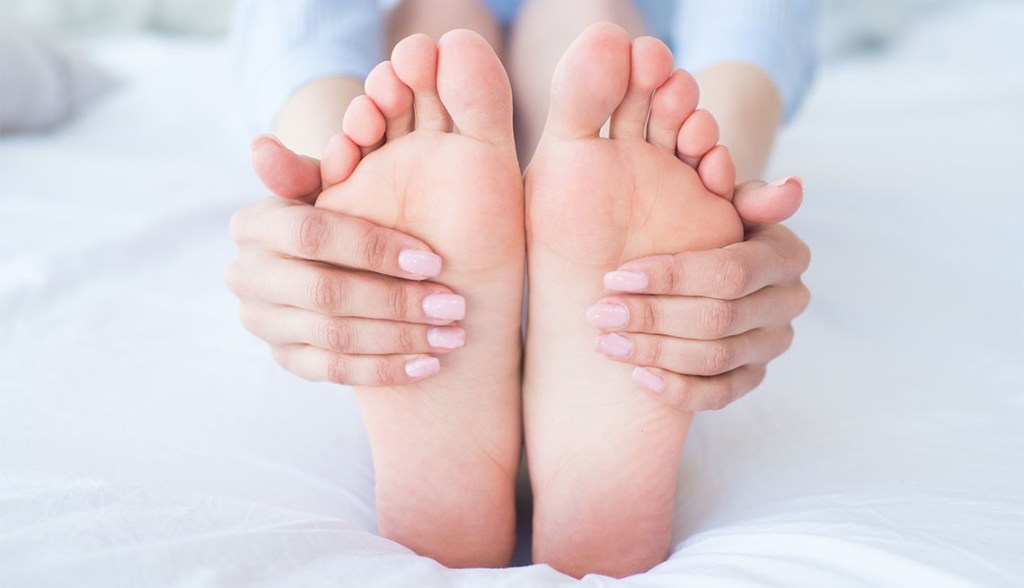
“Beriberi” that is, tinea pedis, it and onychomycosis are a fungal infection caused by skin diseases, the two are often concurrent, onychomycosis is often induced by tinea manus and pedis, both relatively high incidence. Skin fungal infection disease is characterized by: stubborn and difficult to treat, easy to recur. Especially onychomycosis, many patients with their own onychomycosis enough attention, due to the trouble and choose to give up treatment.
The three common causes of tinea pedis and onychomycosis:
1. Environmental factors: These two diseases have a certain relationship with the season, usually in the warm and humid season, the incidence of fungal skin diseases is high in summer and alleviated in winter.
2. Personal factors: Do not pay attention to personal hygiene, shoes and socks airtight, do not wash socks, etc., will provide a good breeding environment for fungi.
3. Disease factors: Two diseases and immune function of the body have a certain relationship, some diseases easily lead to skin fungal infection, such as diabetes, AIDS, some diseases need long-term use of hormones and immunosuppressants.
Fungi grow and reproduce easily in warm, humid and dark environment, so the incidence of tinea pedis and onychomycosis is high in summer, and there are many opportunities for exposure, so many people will think of treatment, but in winter, the incidence is low, the symptoms are alleviated, many people will choose not to treat independently, so there are problems that the patient pays attention to.
However, the reduction or disappearance of symptoms does not mean that the skin fungal infection is good, fungi often lurk in the skin, but they are in the dormant period, which is also the reason why skin fungal infection is stubborn and difficult to treat and prevent recurrence.Many people only through the severity of the symptoms to judge whether or not to treat, often ignored the importance of winter treatment, in fact, in the winter of fungi do not adapt to reproduction, is a better time to treat, the reasons include two: first, fungi in the dormancy period of relatively poor resistance to drugs, efficacy easy to play, second, fungi reproduction rate is low, the total number of fungi is less, can reduce the dosage of drugs.
How to treat?
2 principles: combination therapy and treatment by course of treatment. Combination therapy and treatment by course of treatment are the very key therapeutic principles to cure fungal infectious skin diseases and reduce recurrence.
1. Combined medication:
“Beriberi” is divided into scales keratosis, maceration erosive type, vesicular type and mixed type, usually, the first three types are lighter, doctors generally recommend the use of drugs outside the main: such as miconazole nitrate cream, tramixin, clotrimazole, terbinafine aerosol.In this case, doctors generally recommend combination drugs, such as oral itraconazole, terbinafine or ketoconazole, combined with topical terbinafine gas ointment, miconazole nitrate cream and so on.
Gray-colored nails are divided into mild and severe, mild refers to the number of gray-colored nails less than 4, while each nail does not belong to the proximal damage, the damaged deck area is less than 50% of the nail, light gray-colored nails, doctors generally recommend external use of mainly drugs, such as Amorofen Liniment or Cyclopyridone Liniment. For moderate and severe gray-colored nails, that is, the number of gray-colored nails is equal to or more than 4, or the area of individual nail damage is more than 50%. At, doctors generally recommend combination drugs, such as Amorlinlinor or topical topical cyclpyr.
2. Use drugs according to the course of treatment:
Tinea pedis is easy to recur, so the treatment can not be intermittent, according to the course of treatment to prevent recurrence is very important. For mild tinea pedis, it is generally recommended that the course of treatment for external use is 2 weeks, for severe tinea pedis, it is generally recommended that the course of treatment for combination of drugs is 6 weeks.
The healing standard of onychomycosis is that the new nail grows completely without re-infection damage to represent the cure; due to the slow growth rate of nails (because nails 3 months long 1 cm, toenails 9 months long 1 cm), so the course of treatment of onychomycosis is: nails 6 months, toenails 9-12 months.
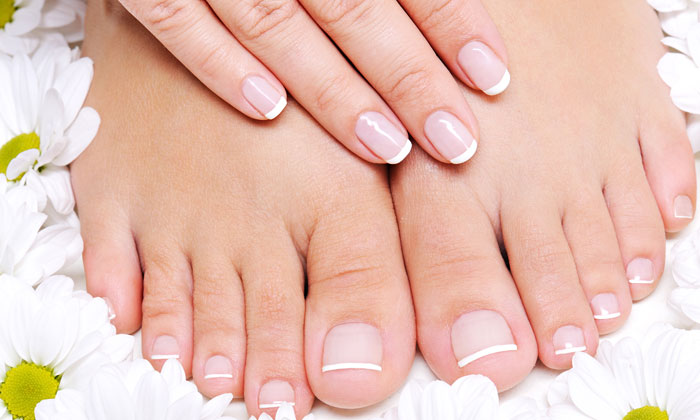
Therefore, we treat “beriberi” and onychomycosis can not only look at the symptoms to decide whether to treat, doctors recommend treatment programs have their treatment basis, according to the doctor’s advice to help us cure them. At the same time, winter is a better treatment time, if you suffer from “beriberi” and onychomycosis, it is recommended to see a doctor in time, as soon as possible treatment, improve the cure rate.
 healthway