Sleep is “the best way to relax your body.” A good night’s sleep is extremely important to us.
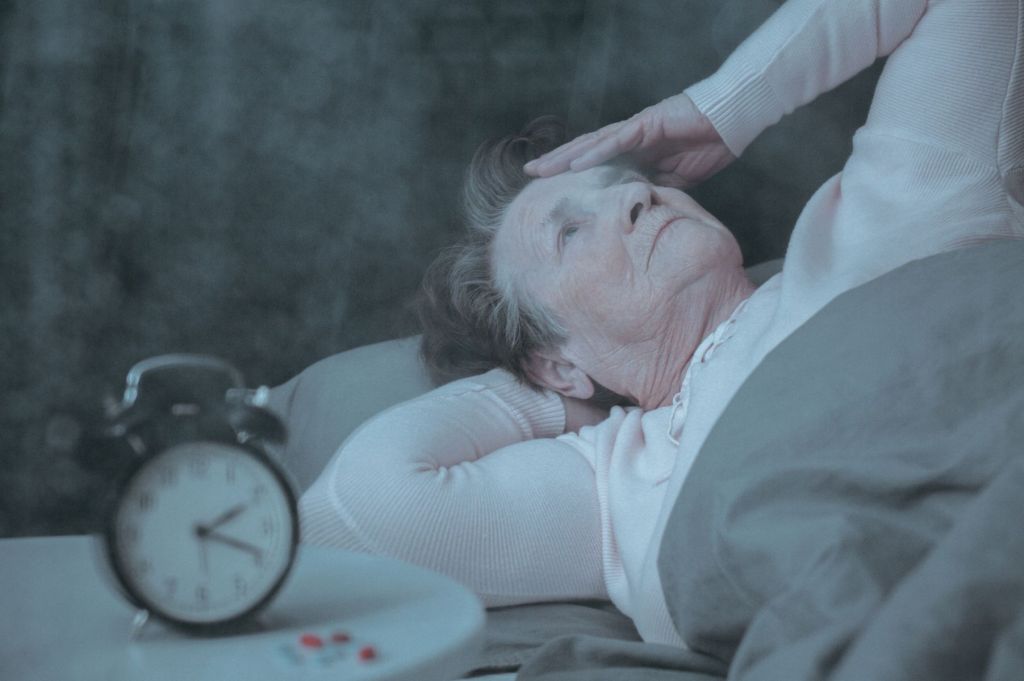
Healthy sleep is what everyone wants, but almost everyone has symptoms such as sleeplessness and wakefulness. In fact, sometimes some bad habits can affect our sleep.
1. Do not eat too full before go to bed.
Before sleeping, eat too full, stomach and intestines should accelerate digest, the stomach that fills food can stimulate a cerebrum ceaselessly, make cerebrum has exciting place, cannot sleep peacefully.
It is recommended that you should not eat 2 hours before bed, especially eat less high-protein food.
2. Too high or too low pillow.
The height of the pillow has a great influence on the quality of sleep.
If the height of the pillow is too high, it will seriously affect our respiratory tract, while it is easy to snore, which will lead to neck discomfort in the long run.
If the pillow is too low, it is easy to fall asleep, or because of too much blood flowing into the brain, dizziness, head swelling, eye swelling and other phenomena will easily occur when you get up the next day.
In general, the height of adult pillows is 8 to 13 cm.
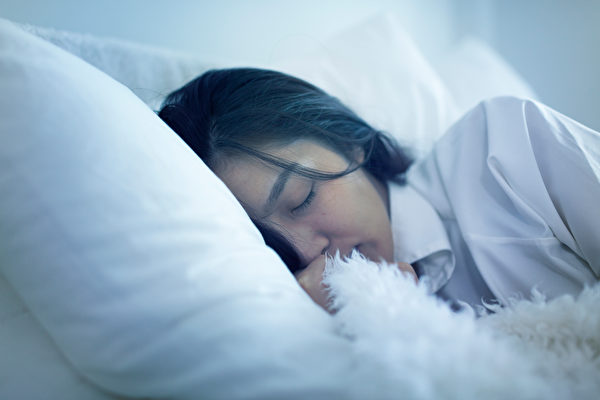
3. Sleeping with hands under the head
Sleeping with both hands under the head, in addition to affecting blood circulation, causing numbness and soreness of the upper limbs, but also easy to increase the pressure in the abdomen, over time may also induce reflux esophagitis.
4. Sleeping with the head covered
As the concentration of carbon dioxide in quilt rises ceaselessly, the concentration of oxygen drops ceaselessly, inhale moist air for a long time, great to the harm of the brain.
5. Stay up late.
Some people like to stay up late to make up for sleep, but the adverse consequences caused by the disorder of the biological clock can not be avoided. Therefore, even if they stay up late to sleep for more than ten hours, they will feel sleepy and lose their concentration after waking up.
6.Play mobile phone before bed.
Nearly 90 percent of netizens are accustomed to swiping their mobile phones before going to bed for an average of 65 minutes, according to the 2018 White Paper on Sleep for Internet Users in China. Young people are no exception, as are middle-aged and elderly friends.
Using mobile phones for a long time after 9 p. M. can significantly improve fatigue level and even affect the concentration level of the next day.

5 Simple Tips to Help Have a Good Sleep
If we sleep well, the quality of life will improve, so how can we have better sleep?
1. control your stomach.
Being too full or too hungry can interfere with sleep. If you are really hungry, eat carbohydrate-rich snacks, such as Graham crackers and oatmeal, which trigger the release of serotonin in the brain and help relax the body and mind.
2. The correct sleeping position.
Traditional Chinese medicine believes that: the correct sleeping posture should be to the right side lying, slightly curved legs.
At this time, the heart is in a high position, not easy to be oppressed; and the liver is in a low position, blood supply is better, conducive to metabolism; stomach food by gravity, to promote the duodenum, can promote digestion and absorption.
At the same time, the whole body is in a relaxed state, and the body can get a better rest.

3. Don’t drink strong tea and coffee before going to bed.
Coffee and strong tea, contain the caffeine that makes the person spirit is excited wait for a substance, drink easily to bring about fall asleep before going to bed difficulty.
Excessive caffeine every day, even if it does not affect sleep time, may lead to irregular sleep.
4. Don’t overuse your brain before going to bed
Many people think that the environment at night is relatively quiet for work, but if it is a nerve-racking work, the brain will be in a state of excitement, even lying in bed is difficult to sleep.
So it’s best to relax your brain completely before you go to bed, don’t bring electronic products to bed to use, and don’t think too much about complex things.
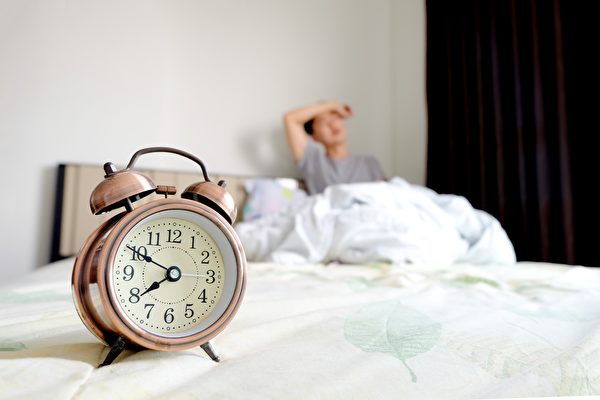
5. Keep the bedroom quiet and dark.
Melatonin, a hormone secreted by the pineal gland of the brain, can shorten the time of falling asleep and being awakened, reduce the number of awakenings, thus prolonging the time of deep sleep and assisting in improving sleep.
Dark environments produce the sleep-inducing hormone melatonin, and it’s easier to fall asleep when heavy curtains are used to block out light sources, or fans or white noise are used to mask annoying sounds.
For people who occasionally have sleep problems, appropriate sunlight exposure during the day can also help the body synthesize melatonin to help improve sleep.
However, for people with poor sleep quality, especially middle-aged and elderly people, their ability to synthesize melatonin is reduced, and exogenous melatonin can be supplemented appropriately when necessary.

 healthway